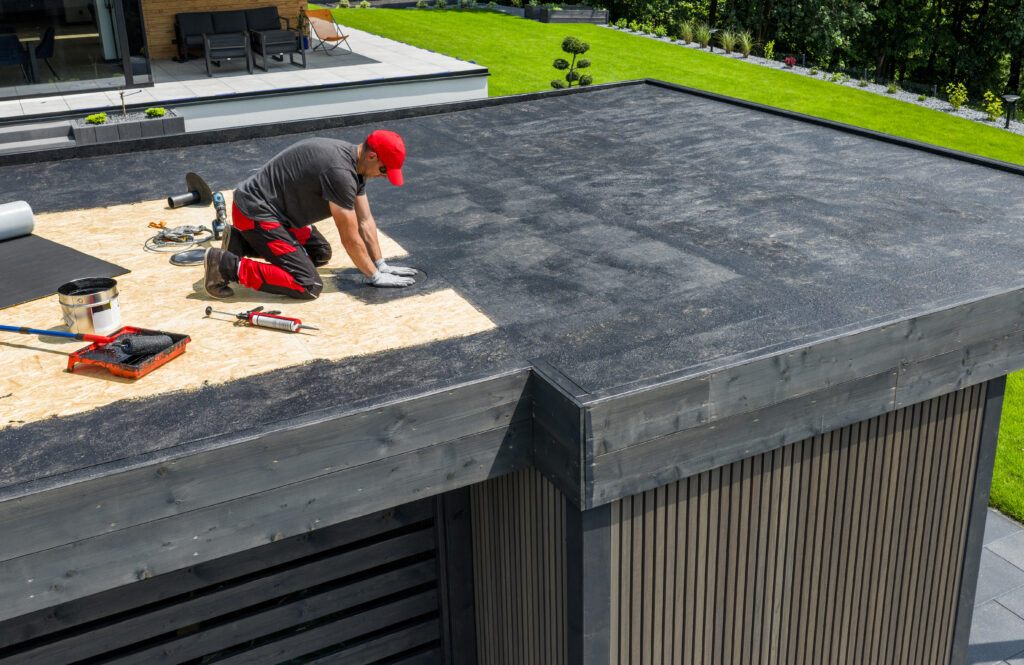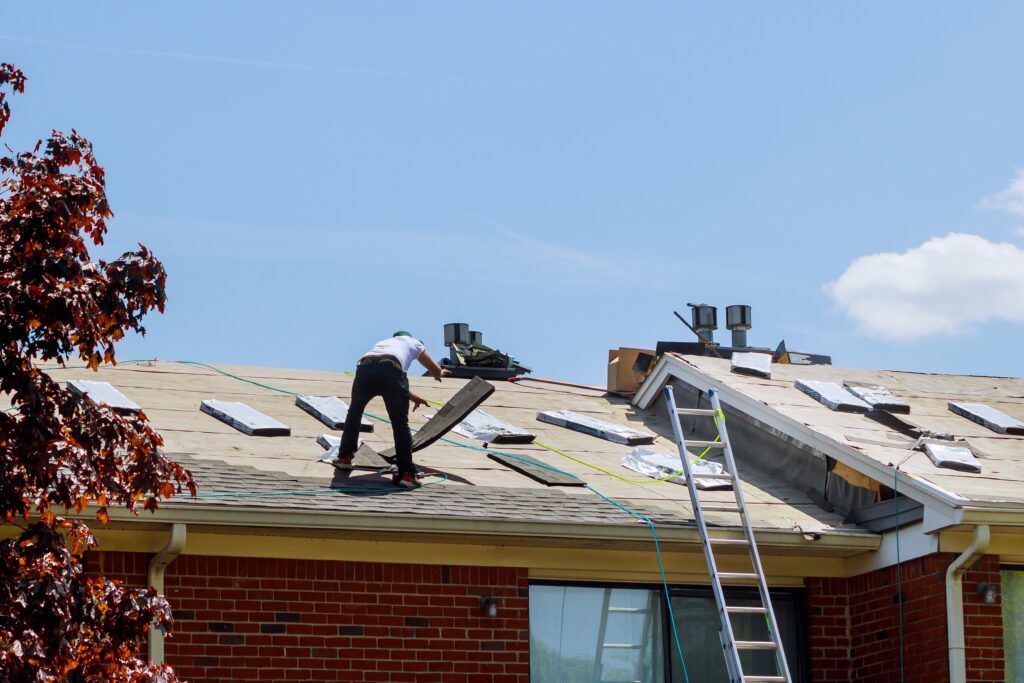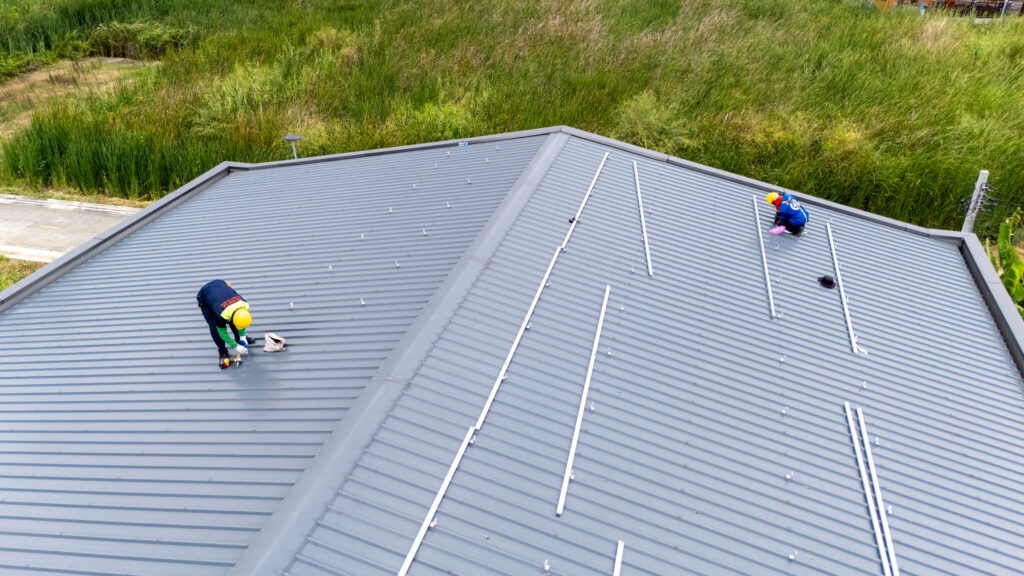
Flat roofs are increasingly popular in modern residential and commercial construction because of their sleek design, practicality, and space efficiency. Unlike sloped roofs, they provide additional usable rooftop space for HVAC systems, solar panels, or recreational areas. However, choosing the right flat roof type requires careful consideration of material, durability, installation cost, climate, and maintenance requirements.
At Hillside Roofing LLC, we help homeowners and business owners make informed decisions. This guide breaks down the three most common flat roof types: Built-Up Roof (BUR), Modified Bitumen, and Single-Ply Membrane, covering their advantages, disadvantages, installation timelines, and suitability. By the end of this article, you will understand which flat roof type fits your building, budget, and climate needs.
Why Choosing the Right Flat Roof Matters
One of the most crucial components of a structure is its flat roofs in Columbus, OH. A poorly chosen or installed flat roof can lead to:
- Water leaks and structural damage
- Increased maintenance costs
- Shortened lifespan of the roofing material
- Energy inefficiency
Selecting the right type ensures durability, cost-effectiveness, and minimal maintenance while preserving the building’s aesthetics and functionality.
1. Built-Up Roof (BUR): Traditional Multi-Layer Protection
Installation Time: 1–2 weeks
Lifespan: 25–30 years
Overview
BUR roofs are one of the oldest and most reliable flat roofing systems. They consist of multiple layers of bitumen alternated with reinforcing fabrics, creating a thick, waterproof surface. This multi-layer construction of flat roofs makes BUR roofs highly durable, fire-resistant, and weatherproof, ideal for both residential and commercial buildings.
Pros
- Extremely durable and long-lasting (up to 30 years)
- Excellent waterproofing and fire resistance
- Low maintenance after installation
- Strong insulation properties
Cons
- Heavy, requiring reinforced structural support
- Labor-intensive installation
- Hot tar fumes during installation can be hazardous
- Installation is time-consuming
Best for: Homeowners seeking long-lasting, low-maintenance flat roofs who don’t mind higher labor costs.
2. Modified Bitumen Roof: Flexible and Weather-Resistant
Installation Time: 3–7 days
Lifespan: 15–20 years
Overview
Modified bitumen roofs are an evolution of the traditional BUR system, enhanced with polymers for flexibility and UV resistance. They can be installed using torch-down techniques or self-adhesive sheets, providing improved performance against cracking and weather fluctuations.
Pros
- Flexible, less likely to crack
- UV-resistant, suitable for sunny climates
- Easier and faster to install than BUR
- Affordable option for many homeowners
- Low maintenance after installation
Cons
- Shorter lifespan than BUR (15–20 years)
- Vulnerable to punctures from sharp objects
- Heat-based installation requires professional expertise
Best for: Buildings in climates with temperature fluctuations or where moderately durable, cost-effective flat roofs are preferred.
3. Single-Ply Membrane Roof: Lightweight & Easy to Maintain
Installation Time: 2–5 days
Lifespan: 10–20 years
Overview
Single-ply membrane roofs use pre-fabricated sheets such as TPO, EPDM, or PVC. These lightweight membranes are installed over the roof structure, offering waterproofing, UV resistance, and ease of repair. Single-ply systems are popular for modern residential homes and commercial buildings due to their speed of installation.
Pros
- Lightweight, does not require heavy structural support
- Quick and easy to install
- Weatherproof and UV-resistant
- Repairs are simple and inexpensive
Cons
- Reduced lifespan compared to BUR and Modified Bitumen
- Seams may be weak if not properly installed
- Initial material cost can be higher
- Requires precise installation to avoid leaks
Best for: Modern buildings, DIY projects for experienced homeowners, or areas where structural weight is a concern.
Flat Roof Comparison Table
| Type | Installation Time | Lifespan | Pros | Cons |
| Built-Up Roof (BUR) | 1–2 weeks | 25–30 years | Durable, waterproof, fire-resistant | Heavy, labor-intensive, hot tar fumes |
| Modified Bitumen | 3–7 days | 15–20 years | Flexible, UV-resistant, affordable | Shorter lifespan, puncture risk, requires professional installation |
| Single-Ply Membrane | 2–5 days | 10–20 years | Lightweight, quick install, low maintenance | Vulnerable seams, higher material cost, shorter lifespan |
Cost Considerations
| Type | Average Material Cost | Installation Cost | Total Cost (Residential) |
| BUR | Moderate | High | High |
| Modified Bitumen | Low | Moderate | Moderate |
| Single-Ply Membrane | Moderate | Low | Moderate-High |
Note: Prices vary by region, roof size, and labor costs. Always get multiple professional quotes.
Maintenance Tips for Flat Roofs
- Inspect the roof at least twice a year
- Clean debris and leaves regularly to prevent water pooling
- Check seams and flashing for cracks or damage
- Repair punctures promptly to avoid leaks
- For BUR and Modified Bitumen, ensure professionals handle repairs for safety and warranty compliance
Which Flat Roof Type Is Right for You?
- Choose BUR: long-lasting, highly durable, minimal maintenance, and willing to invest in structural support and labor.
- Choose Modified Bitumen: Flexible, moderate lifespan, cost-effective, and suitable for fluctuating climates.
- Choose Single-Ply Membrane: Lightweight, fast installation, low maintenance, and ideal for modern or DIY-friendly applications.
Factors to consider: building type, climate, structural support, budget, and expected lifespan.
Conclusion
Choosing the right flat roof is critical for durability, aesthetics, and long-term cost savings. BUR offers longevity and protection, modified bitumen provides flexibility and affordability, and single-ply membranes excel in ease of installation and lightweight design.
Evaluate your building type, climate, and budget before making a decision. For professional guidance, material sourcing, and expert installation, contact Hillside Roofing LLC today to find the flat roof that fits your home or commercial building perfectly.
FAQs
1. Which flat roof type lasts the longest?
Built-Up Roofs (BUR) have the longest lifespan, typically lasting up to 30 years when properly installed and maintained.
2. Are single-ply roofs suitable for hot climates?
Yes. TPO and PVC membranes perform well under high UV exposure, but proper seam installation is critical to prevent leaks.
3. Can flat roofs be installed as a DIY project?
Single-ply membrane roofs can be installed by skilled DIYers, while BUR and modified bitumen roofs require professional installation due to complexity and safety hazards.
4. How much maintenance do flat roofs require?
BUR requires minimal maintenance, modified bitumen requires regular seam checks, and single-ply membranes need inspections for seam integrity and UV damage.
5. Which flat roof type is most cost-effective?
Modified bitumen offers the best balance between cost, durability, and ease of installation. BUR is more expensive due to labor, and single-ply membranes have moderate costs with low installation labor.