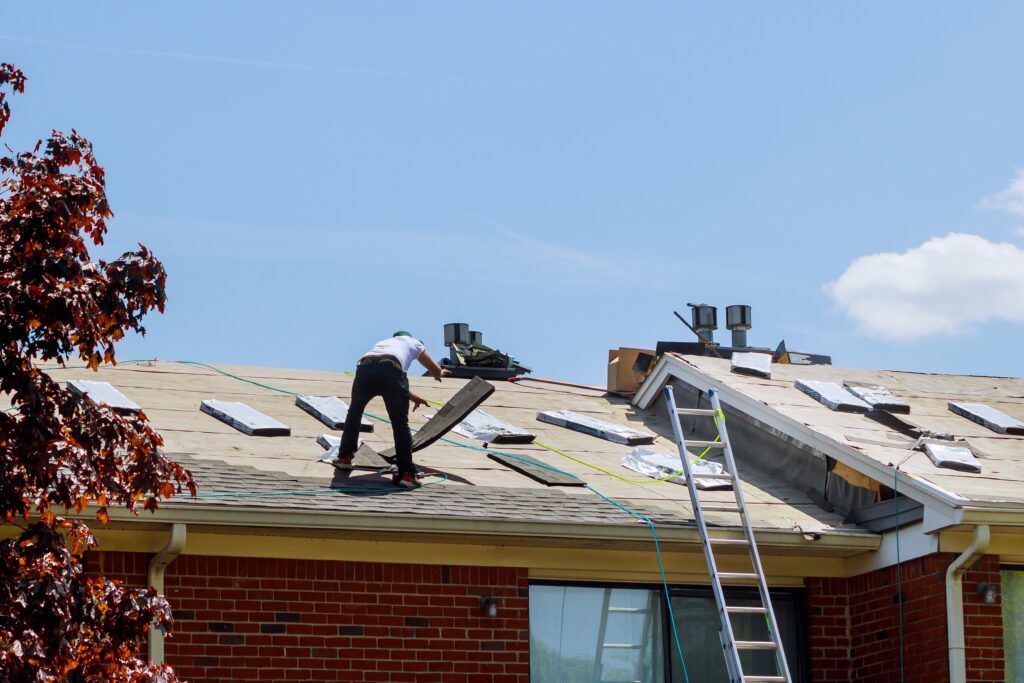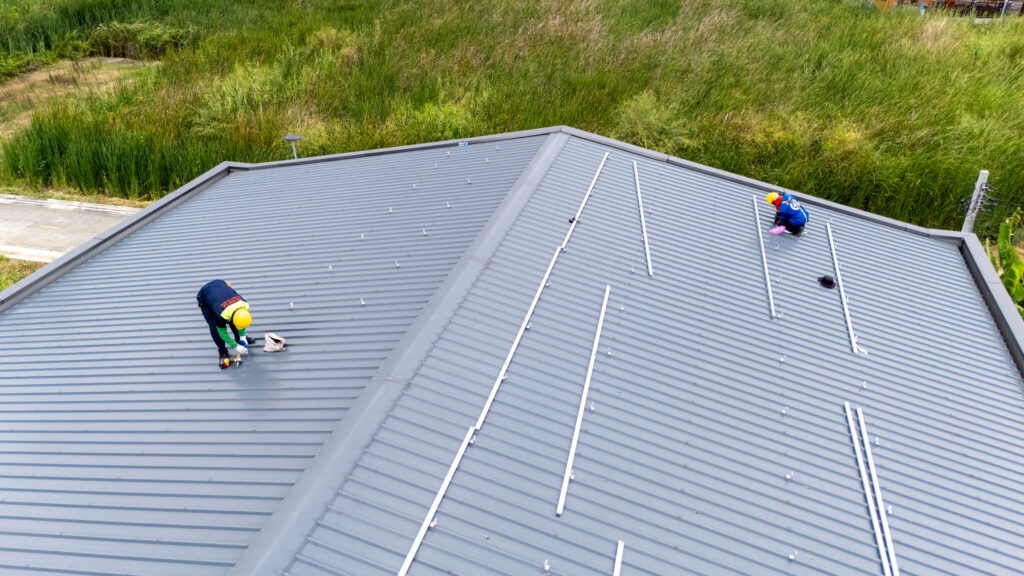
Your roof is your home’s first line of defense against the elements. When damage occurs, whether due to storms, falling debris, or wear and tear, quick action is crucial. Emergency roof repair isn’t just about fixing leaks, it’s about protecting your property, preventing further damage, and ensuring the safety of your family. Delaying repairs can lead to structural issues, mold growth, and costly restoration down the line.
At Hillside Roofing LLC in Hebron, OH, we specialize in fast, professional emergency roof repair services designed to minimize damage and restore your home’s protection quickly. This guide outlines what to do in a roofing emergency, the types of repairs commonly required, safety precautions, and tips for working with professionals.
Why Emergency Roof Repair Is Critical
Roof damage can escalate quickly. A small leak during a rainstorm can seep into walls, ceilings, and insulation, causing long-term structural issues. Immediate action reduces repair costs and prevents water damage from spreading. Key reasons to prioritize emergency roof repair include:
- Protecting the interior: Prevent water intrusion and damage to ceilings, walls, and flooring.
- Preventing mold growth: Moisture can trigger mold within 24–48 hours.
- Maintaining structural integrity: Roof damage weakens framing and shingles, potentially leading to collapse in severe cases.
- Insurance compliance: Quick repairs demonstrate responsibility and facilitate claims processing.
Common Types of Emergency Roof Damage
Understanding the types of damage helps homeowners in Hebron, OH, react effectively. Common emergencies include:
1. Storm Damage
High winds, hail, and heavy rain can lift shingles, break tiles, and damage flashing. Immediate repair prevents leaks and further deterioration.
2. Fallen Trees or Debris
Branches or entire trees can puncture roofs, damage gutters, and compromise structural safety.
3. Leaks and Water Intrusion
Roof leaks are the most frequent emergency issue. They often occur around flashing, chimneys, vents, or damaged shingles.
4. Ice Dams and Snow Load
In colder climates, snow accumulation and ice dams can damage shingles and gutters, causing leaks and roof sagging.
5. Fire or Roof Puncture Damage
Accidental fires, chimney malfunctions, or punctures from construction work require urgent attention to prevent further hazards.
Immediate Steps to Take During a Roofing Emergency
- Ensure Safety First
Do not attempt to climb a damaged roof during storms or if the structure is compromised. Electrical hazards, loose shingles, and debris can cause serious injury. - Temporary Roof Protection
If safe, cover holes or damaged areas with tarps or waterproof sheeting. This prevents water intrusion until professional help arrives. - Document the Damage
Photograph affected areas for insurance claims and contractor assessment. Accurate records improve claim approval speed. - Contact an Emergency Roof Repair Contractor
Professional roofing contractors have the experience, materials, and safety equipment needed to make immediate and lasting repairs. - Notify Your Insurance Company
Report the damage promptly to ensure coverage and guidance for next steps.
Choosing the Right Emergency Roof Repair Contractor
Selecting a reliable professional is crucial. Look for contractors who:
- Offer 24/7 emergency services
- Are licensed and insured
- Provide fast response times
- Offer detailed estimates and documentation
- Have strong customer reviews and references
At Hillside Roofing LLC, we respond quickly to emergencies, assess damage accurately, and implement temporary and permanent solutions efficiently.
Permanent vs. Temporary Emergency Repairs
Temporary Repairs:
- Covering leaks with tarps
- Sealing minor punctures or lifted shingles
- Protecting exposed areas from further water damage
Permanent Repairs:
- Full shingle replacement
- Roof panel replacement
- Structural repairs to trusses or decking
- Flashing and gutter repairs
Temporary fixes buy time but should always be followed by permanent repairs for safety and durability.
Cost Considerations
Emergency roof repairs vary in cost depending on:
- Damage severity
- Roof size and material
- Accessibility
- Labor and material rates in your area
While emergency repairs may seem expensive, delaying action often results in higher costs due to water damage, mold remediation, and structural repairs.
Preventing Future Roof Emergencies
While not all emergencies are preventable, homeowners can reduce risk with:
- Regular roof inspections: Identify weak spots, leaks, or shingle deterioration before they escalate.
- Tree trimming: Prevent branches from falling during storms.
- Gutter maintenance: Avoid water pooling and ice dam formation.
- Prompt minor repairs: Address small leaks and damages immediately.
- Quality materials: Invest in durable shingles and roofing materials suitable for your climate.
Why Choose Hillside Roofing LLC
Hillside Roofing LLC is committed to fast, professional, and reliable emergency roof repair services. We provide:
- Immediate response for urgent roof issues
- Experienced technicians and certified roofing specialists
- High-quality materials and permanent repair solutions
- Assistance with insurance claims to simplify the process
With our expertise, homeowners can protect their property, reduce stress, and restore peace of mind quickly.
Conclusion
Emergencies don’t wait, and neither should your roof repair. From storm damage to leaks, immediate attention prevents further destruction and ensures your home remains safe and secure. Understanding what constitutes an emergency roof repair, taking the right temporary measures, and hiring professionals like Hillside Roofing LLC can save time, money, and stress. Your roof protects your home treat it as a priority.
FAQs
1. What qualifies as an emergency roof repair?
Any damage that threatens structural integrity, causes leaks, or poses safety hazards, such as storm damage, fallen trees, or active leaks.
2. How quickly should I act after roof damage?
Immediate action is recommended, preferably within 24 hour,s to prevent further damage and water intrusion.
3. Can I repair a roof emergency myself?
Temporary measures like tarping are possible, but permanent repairs require professional expertise to ensure safety and durability.
4. Will my insurance cover emergency roof repairs?
Most homeowner policies cover damage from storms, fire, or accidents, but it’s crucial to document damage and report it promptly.
5. How can I prevent future roof emergencies?
Regular inspections, tree maintenance, gutter cleaning, and prompt minor repairs help reduce the risk of emergencies.